Self-Help Tech Support
Duration
4 months- '24
Team
Project Type
UX Research
My Role
I designed and distributed surveys, synthesized secondary research, facilitated workshop activities, and developed platform-specific content strategies with low-fidelity prototypes.
Context
Microsoft's customer support team, MicrosoftHelps, provides proactive tech support through social media, YouTube, Twitter/X, Instagram, and Threads.
Despite being the most digitally connected generation, Gen Z (ages 18–25) wasn't engaging with MicrosoftHelps content. I wanted to understand why, figure out which platforms actually mattered, and rethink their content strategy.
Deliverables
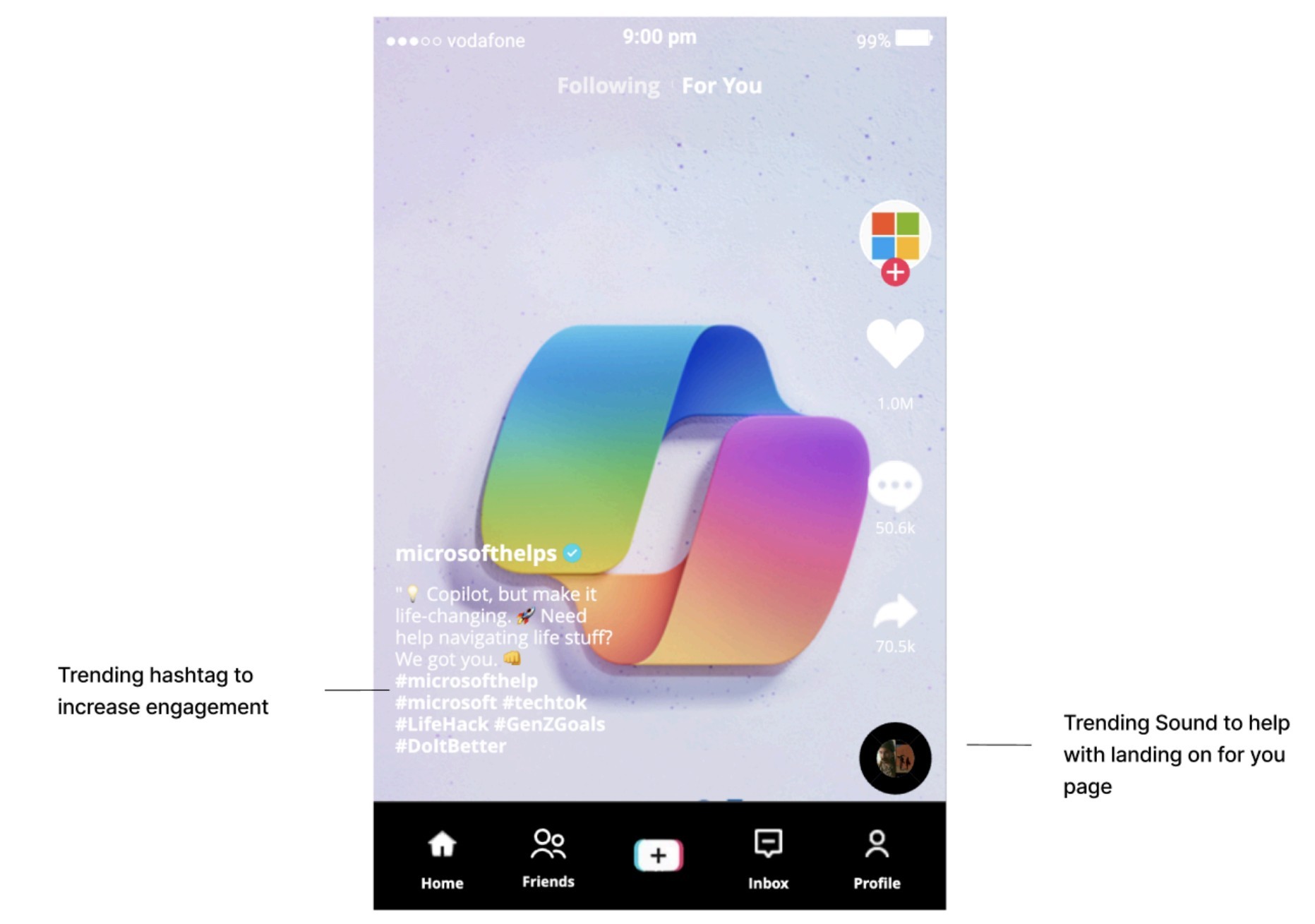
A comprehensive research insights report, platform-specific content strategies for 7 platforms, and low-fidelity prototypes with design rationale.
Impact
Our research and recommendations informed MicrosoftHelps' content strategy across YouTube, Twitter/X, Instagram, Threads, and three new platforms (TikTok, Reddit, LinkedIn). Findings gave the team a research-backed rationale for where to invest, where to maintain, and where to deprioritize.
Building the Foundation
We started by understanding two things: how Gen Z behaves on social media, and what MicrosoftHelps was currently doing across platforms.
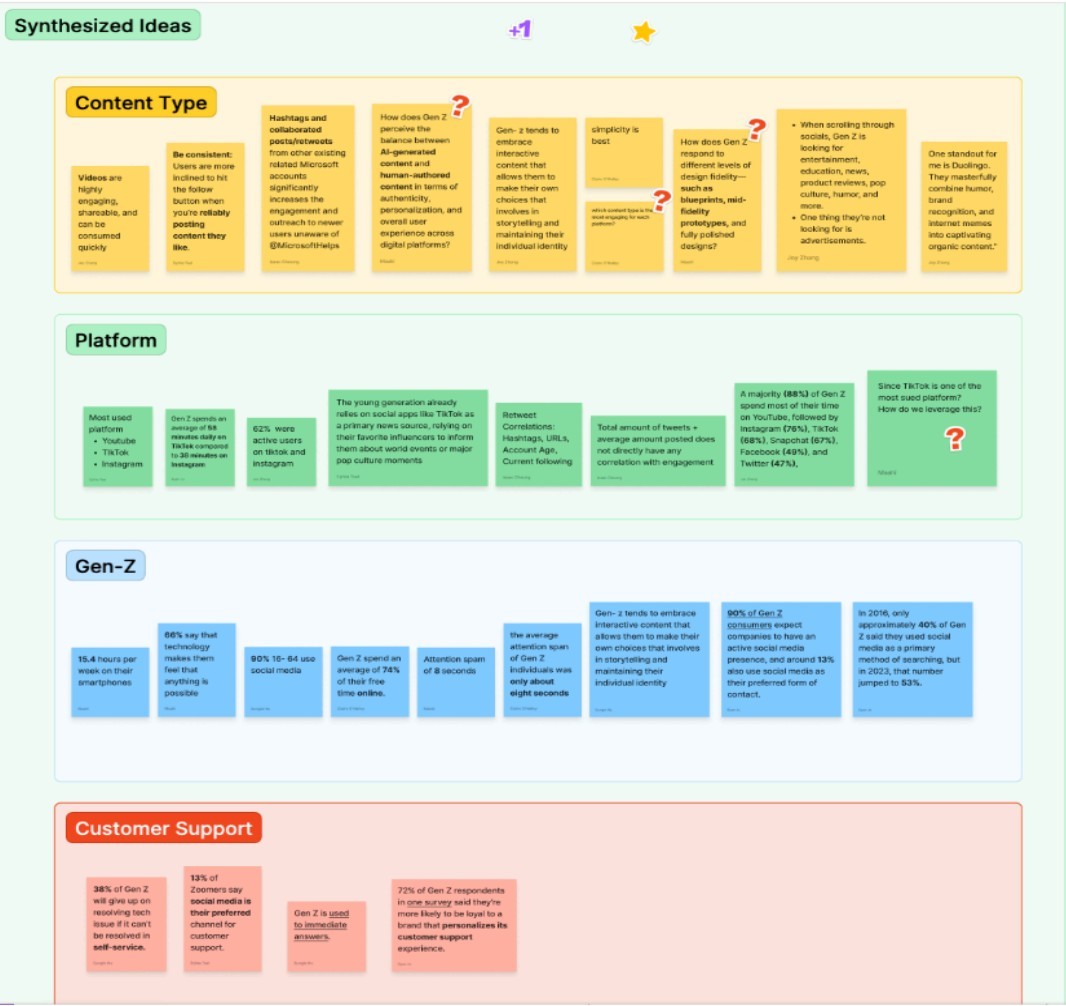
Secondary research affinity diagram
Through secondary research, we mapped Gen Z's habits. Key findings:
Gen Z has an 8-second attention span but engages deeply with visual, concise, identity-relevant content
They prefer short-form video and dislike anything that feels like direct advertising
90% expect companies to have an active social media presence
We then audited MicrosoftHelps' existing accounts and ran a competitive analysis across Apple Support, Samsung Care, HP Support, and Dell Cares to benchmark content strategies.
121
80%
50%
Total survey respondents across two rounds.
Had used social media to resolve tech issues.
Were unaware MicrosoftHelps existed
on social media.
Gen Z will engage when they need help, but they won't follow unless the content consistently adds value to their daily workflow.
Testing content
To move beyond self-reported preferences, I ran an in-person workshop with Gen Z participants using two methods:
5-second testing — showing content types (infographics, GIFs, short/long videos, carousels) briefly to replicate scrolling through a feed. Participants didn't know the content was tech support related.
Card sorting — ranking platforms for tech support and rating thumbnail designs as liked, disliked, or indifferent.
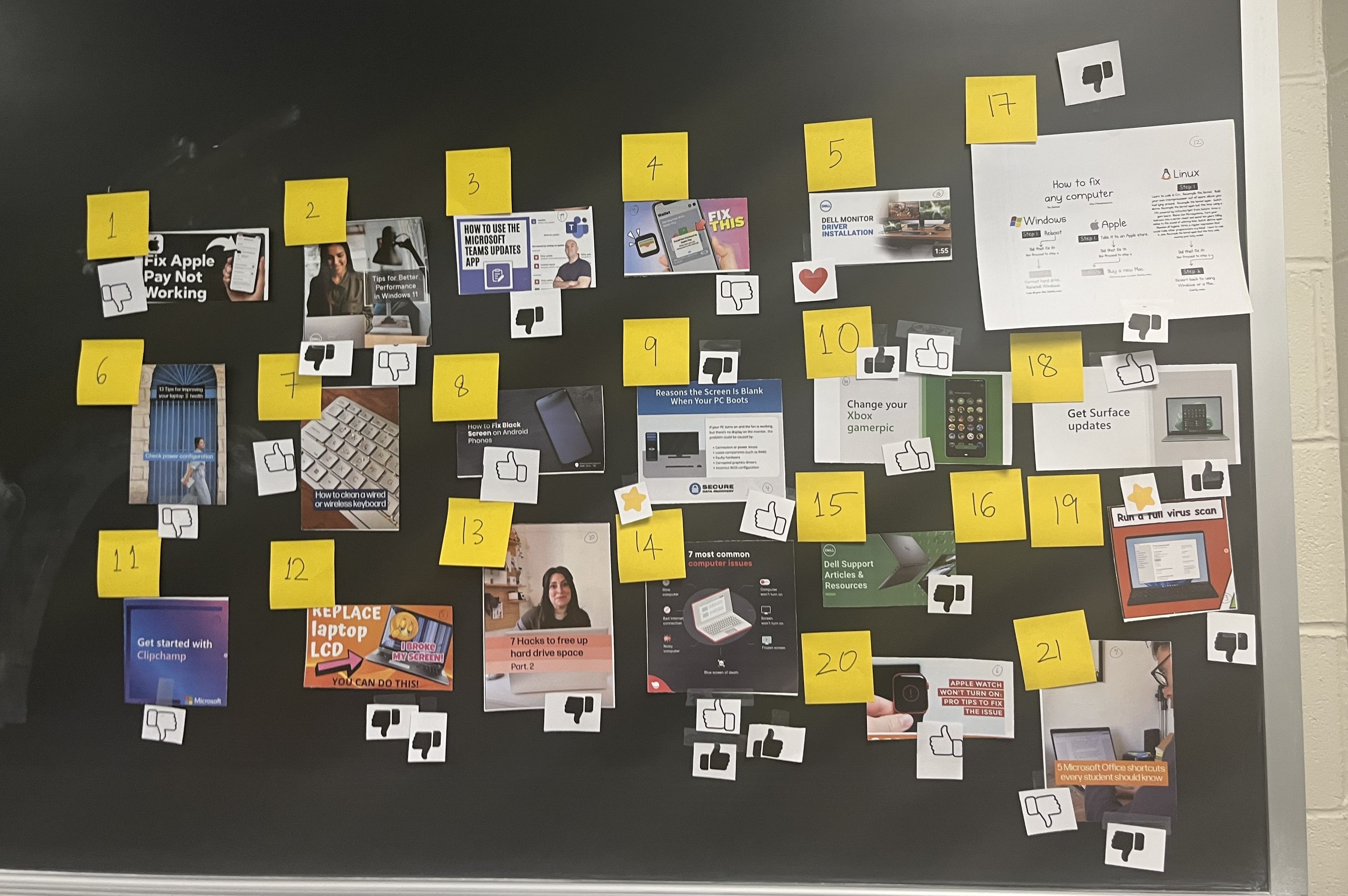
Participants classifying thumbnails based on preference
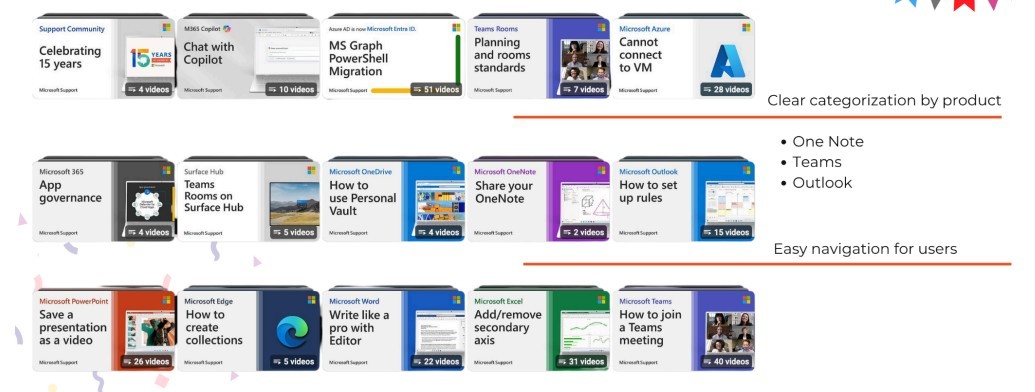
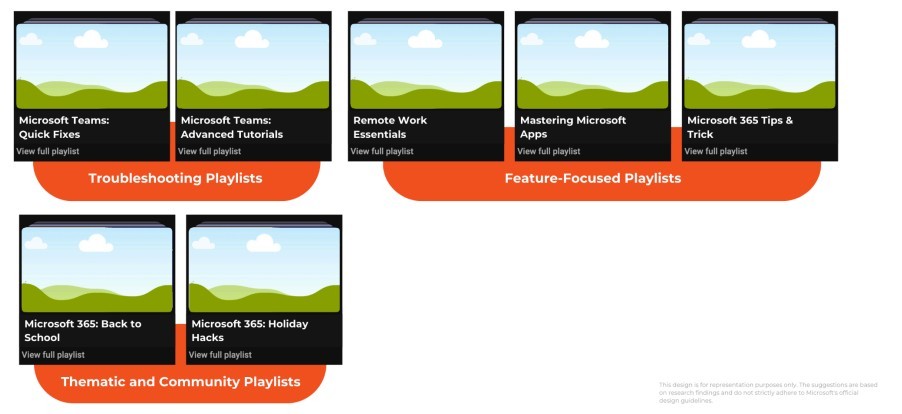
Translating research into strategy
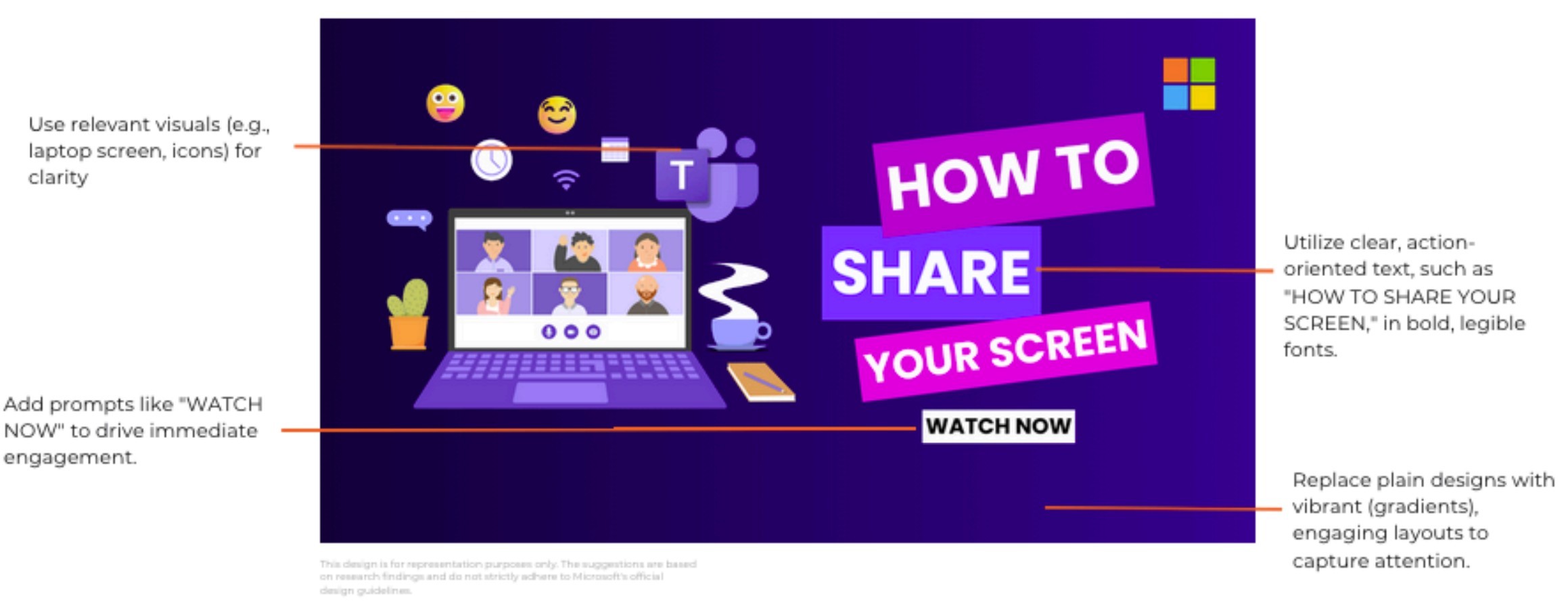
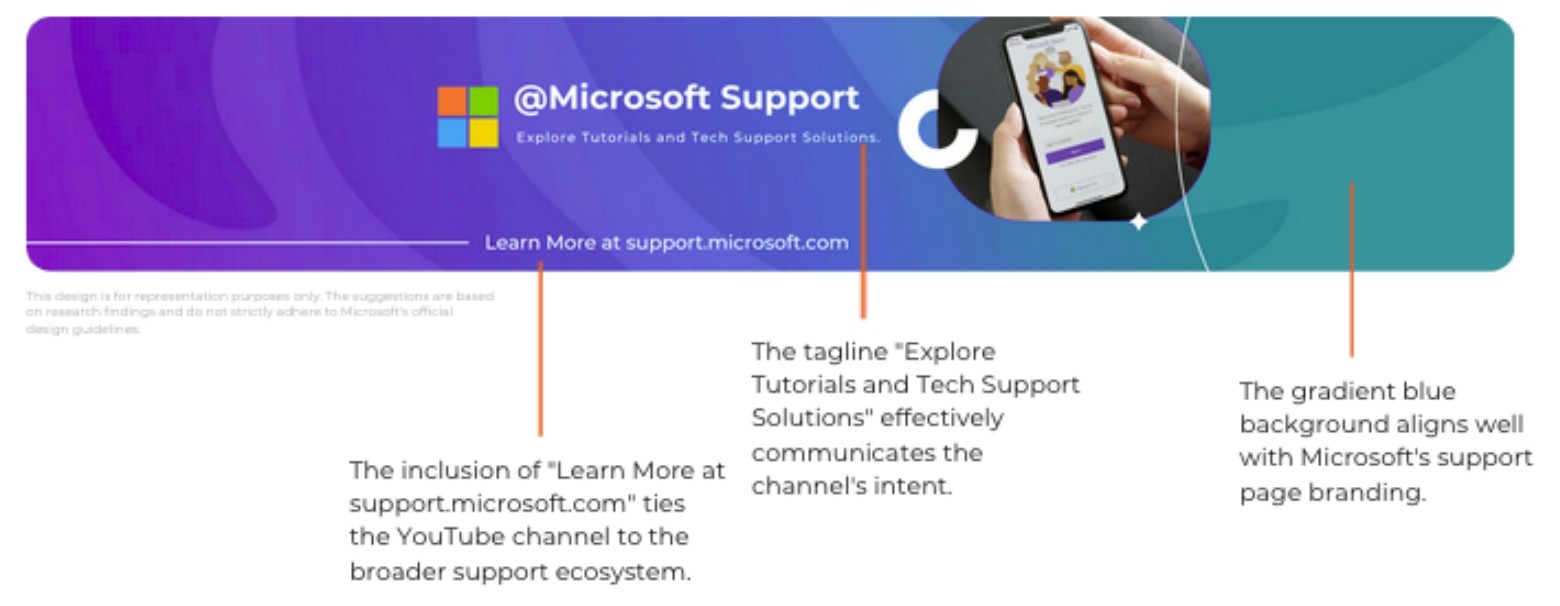
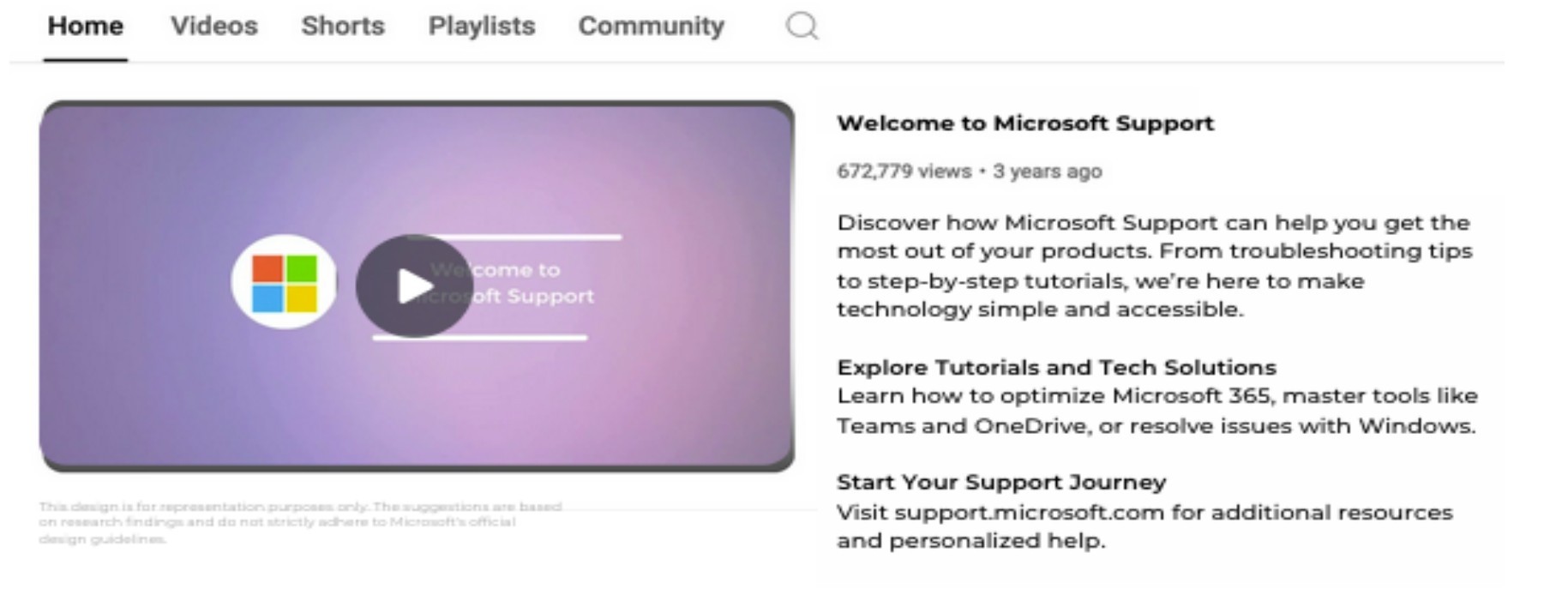
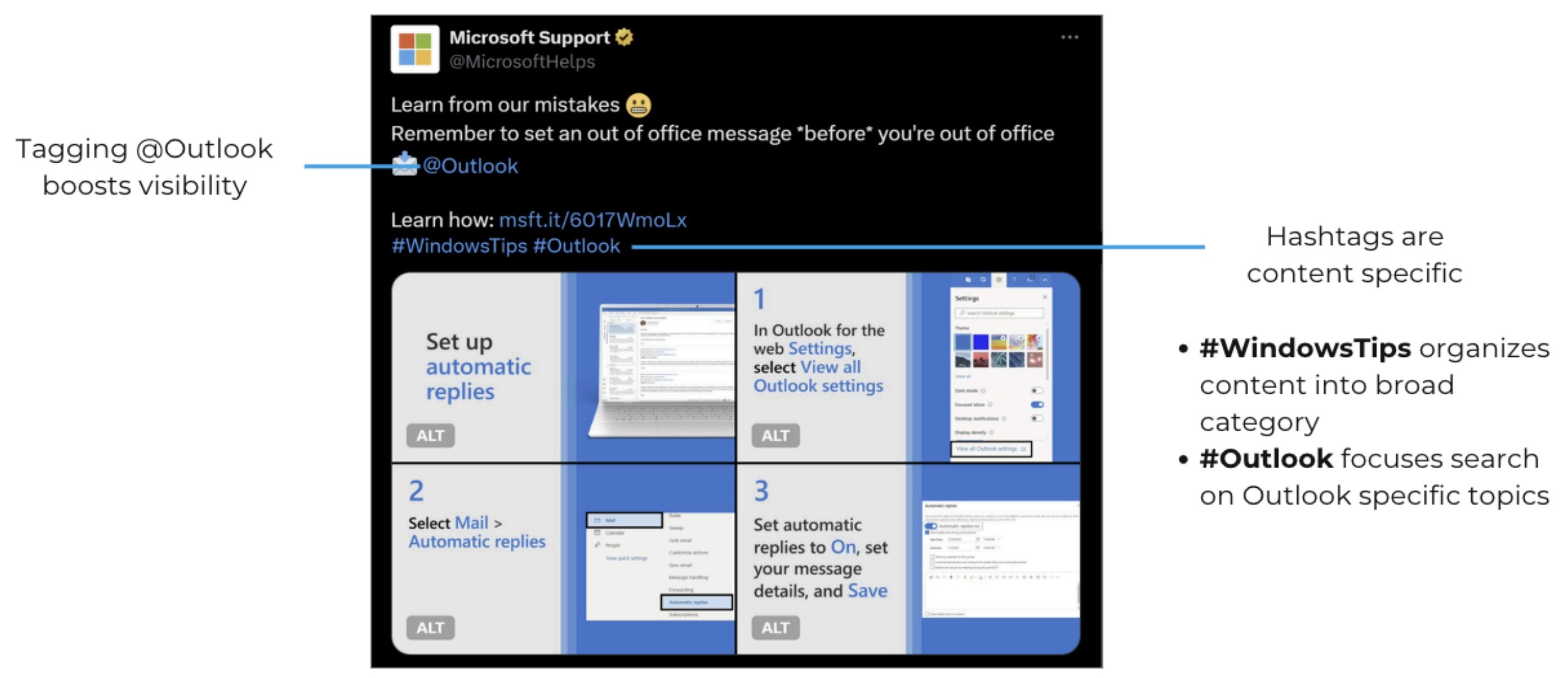
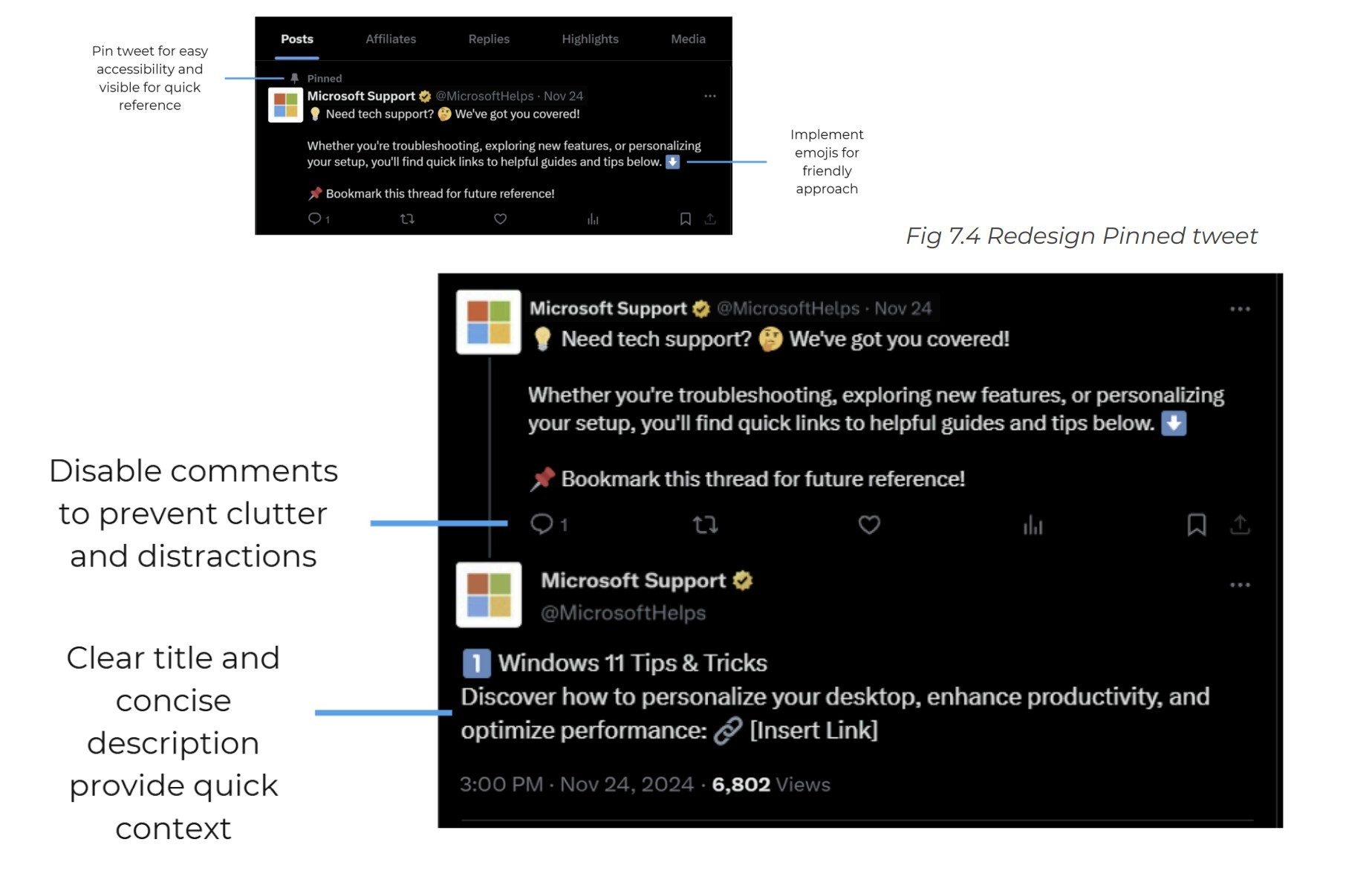
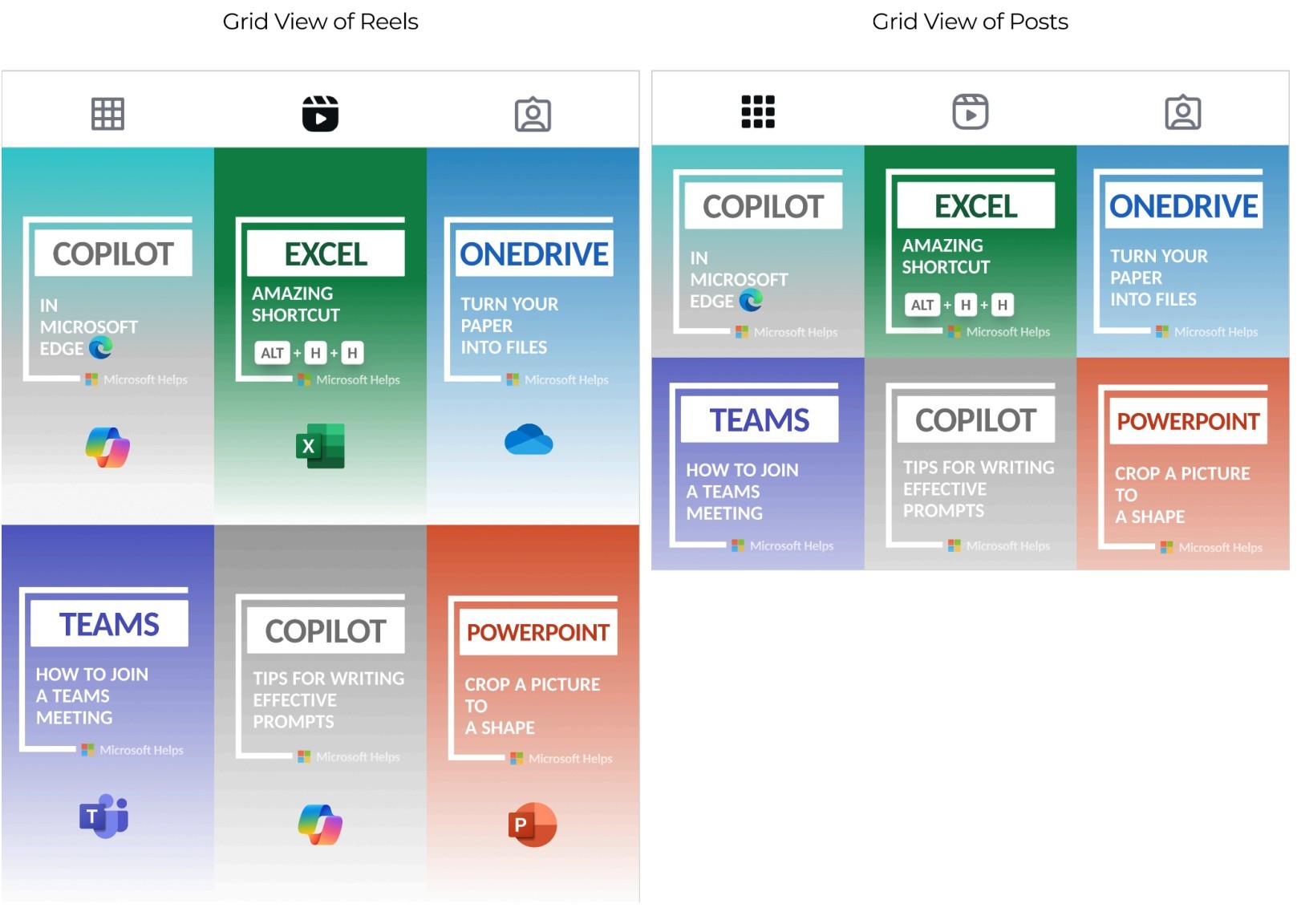
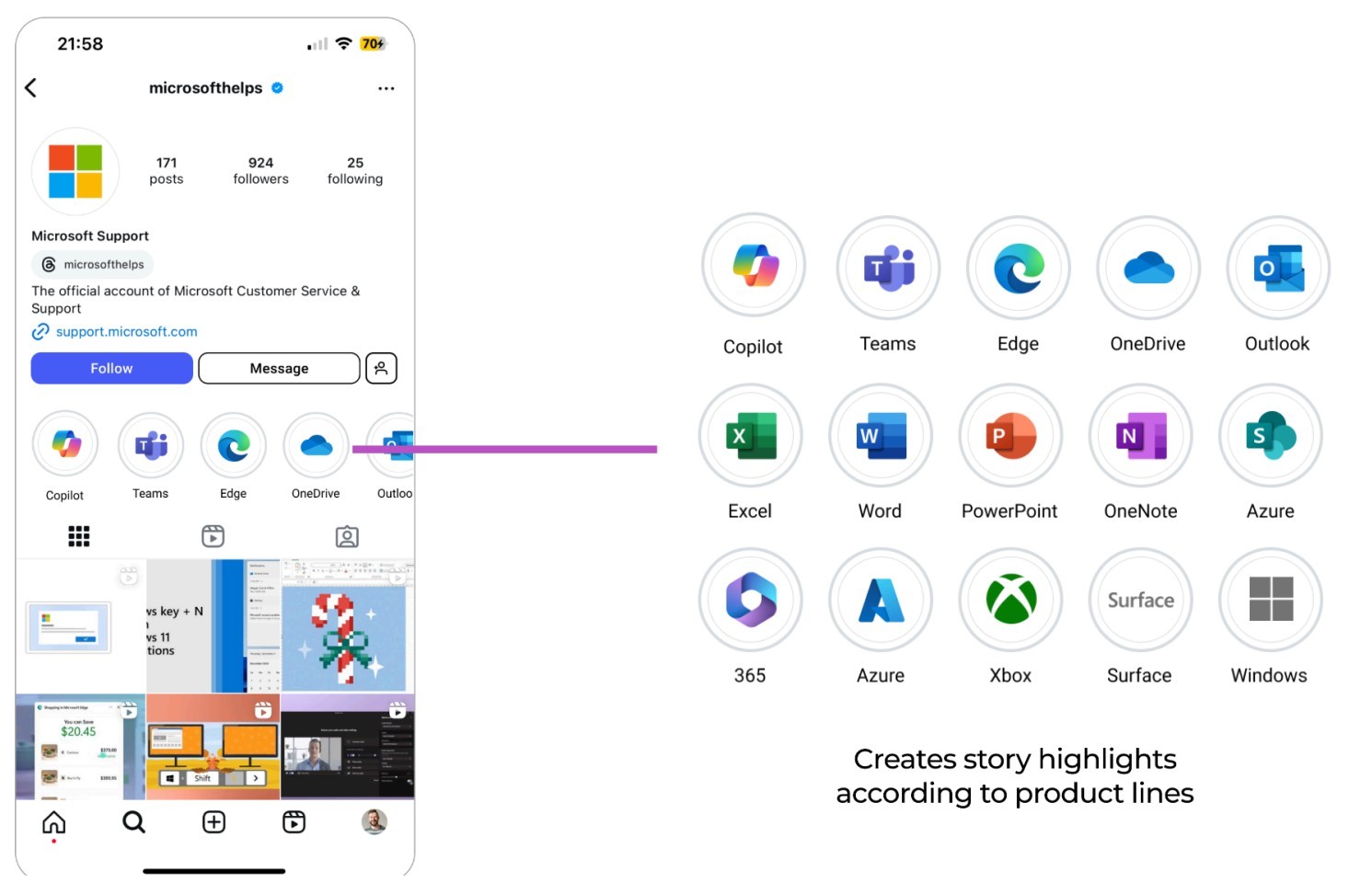
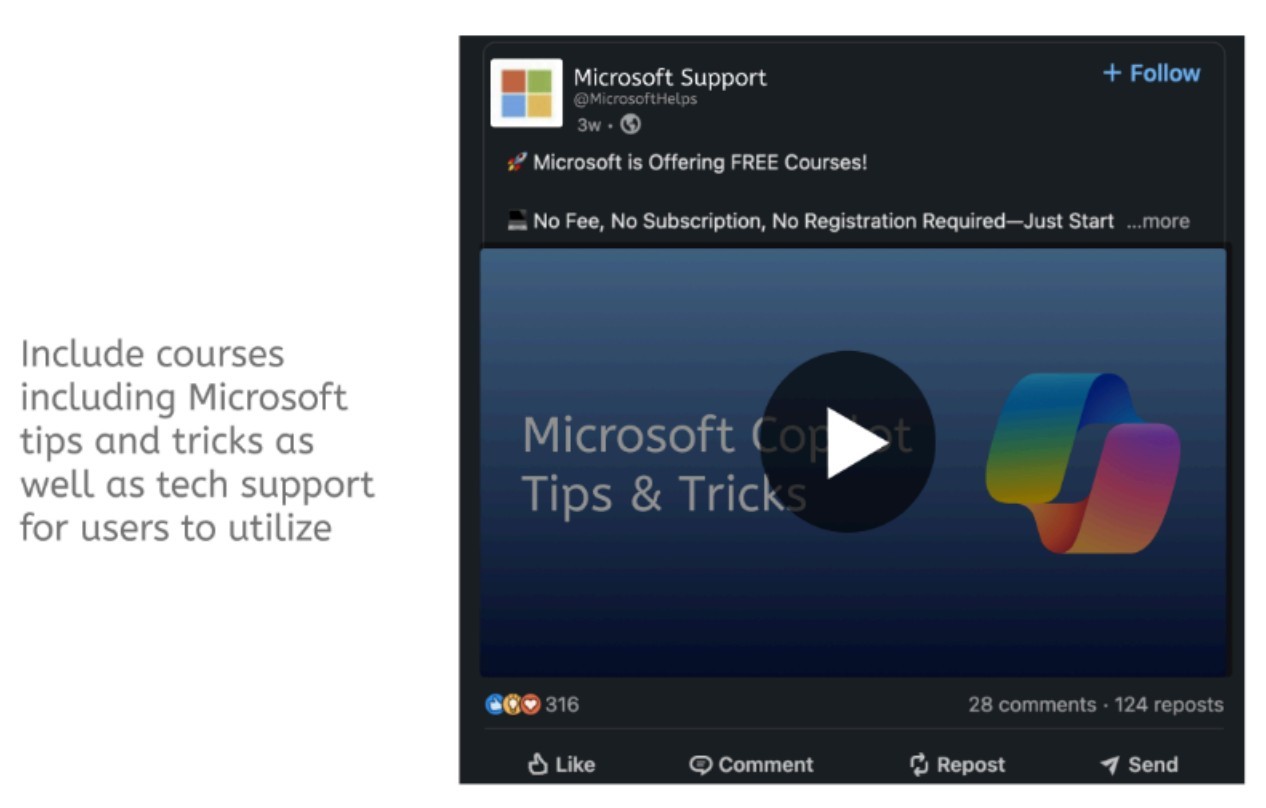
Reflection
This was my first time doing UX research in a semester long project and it pushed me in ways I didn't expect. I got to contribute to every part of the process which helped me see how each phase feeds into the next. The biggest thing I took away was how different people's stated preferences are from their actual behavior. I also got more comfortable with giving sponsors advice they might not want to hear. Telling Microsoft to deprioritize Threads wasn't fun, but sometimes the most useful thing research can do is show you where not to spend your effort.

Latest Projects